Concept drawings


Main character

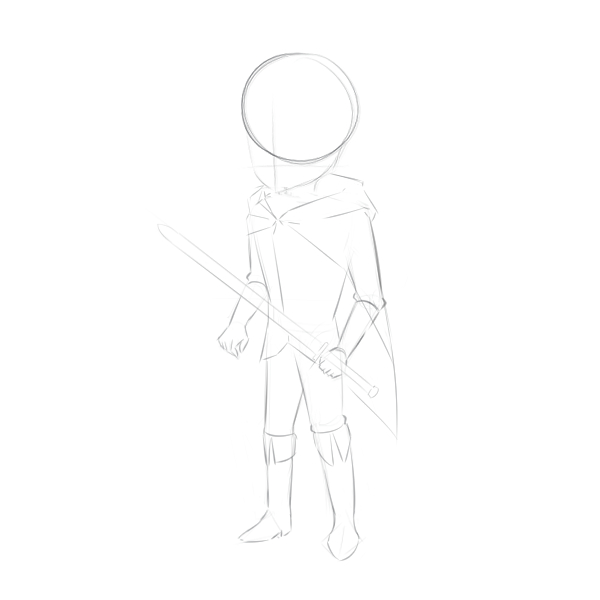
This is how the playable character would look like.

Sprites


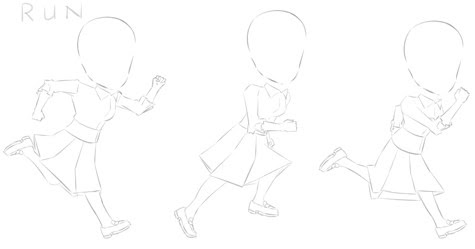
Those are the sprites for the main character, if a player does not do anything, only an idle sprite will be occurring, three separate sprites for running as well as for attacking.

Enemies


Each stage will have its own very enemies and different kinds of attacks

Stages


Story for each stage

The stage will start at a village, Stage 01 is for a tutorial on how does the mechanic of the game works. Stage 02 will proceed to the forest, where the player encounters a bandit. Stage 03 will move to a hidden mountain whereby the leader of the bandit has been following the player. Stage 04 is the outside of the hidden mountain, where there is a mage to stop the character from going any further. Finally, Stage 05 is where the player will fight a boss that is called 'guardian', if the player succeeds against the boss, the pillar will give the character an additional power to use.


User interface

Main menu

This is the main menu when the video game is opened.

Settings

This is to adjust the volume of music and sound effects.

Health

This shows how many health bars does the character has. It will be located on the bottom left during the gameplay.

Pause menu

This is a menu when the player wants to pause in the middle of playing a video game.


Flowchart

This is the flowchart of the video game. Each box shown below will trigger an event to one another. From Stage 01 to 05, the player can trigger a menu event if the player wants to. When the player completes Stage 05, it will trigger a Credits event it will then proceed back to the main menu page.


Game Specification

Requires a 64-bit processor and operating system

OS: Windows 7,8,8.1,10, 64-bit

Processor: Intel CPU Core i3

Memory: 4 GB RAM

Graphics: Nvidia GTX 460


The reason why the use of the specification above is because the video game does not require a high-end computer as it is only a simple 2D platformer game.


Popular posts from this blog

Ideas for in-game graphics, and concept art graphics

  Mind map Moodboard Inspiration Concept Art Synopsis With all that provided, the idea of the video game will use adventure as its genre. The moodboard is to give a picture of how does the playable character (main character) would look like as well as using a cel-shading art style that is inspired by a video game that is called 'Ghost Trick Phantom Detective'. For every stage, it will follow the concept art as shown.

Art Style used for Digital Graphics Computer Games

  Photorealism: Photorealism in video games implies that the character and scenery are thought to imitate real life in visuals as accurately as possible. Most photorealistic video games use a gritty aesthetic of which the style is being used in numerous war-related video games, for instance, the Call of Duty franchise. Given that the game shares the same goal that resembles real life as closely as possible. Cel Shading: Cel shading is a style of rendering the 3D computer graphics look three dimensional by creating flat colours on top of the base colour, making the object look three dimensional while keeping the effect of looking 2D. The legend of Zelda: The Wind Waker is probably one of the most well-known examples of its series using cel-shading technique, and it did so in an outstanding way. Despite the video game was released in early 2000, it does not appear to have aged as compared to other titles by reason of their distinctive art style. Exaggeration: An exaggeration is the...